

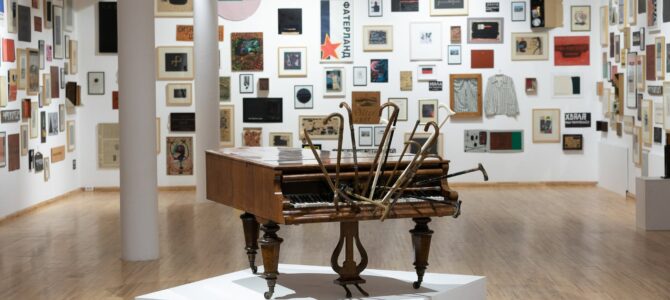
The text was originally published in the catalogue of the exhibition of Raša Todosijević: Sutra je ponedeljak [Tomorrow is Monday] at MSUV – Museum of Contemporary Art Vojvodina, Novi Sad (9 September – 5 October 2022).
Artworks can be brutally direct and engaging, to the point of affecting their makers as well as consumers to profoundly identify with their subjects. However, in order to have such an effect, the consumers of an artwork have to be engaged, reflective, sensitive, empathetic and informed enough to accept and recognise the given impulses of an artist. In the second half of the 20th century various neo-avant-garde artists and movements often tended to leave behind formal precision, concurrent aesthetic formulas and subtle messages hidden in visual forms and instead address audiences with unequivocal messages about the current state of affairs. However, the so-called neo-avant-garde or conceptual artists were not uniform or single-minded, in any aspect, but utterly diverse: some were directly engaged and activist-minded, some mystical and esoteric, some profoundly theoretical and focused on then widespread anti-aesthetic stance, and some openly rebellious against the rigid art system intent on turning anything and everything into a commodity with a monetary value. Most of these artists also aimed to demystify the late modernist idea of the genius artist who did not think but felt, and whose artistic mind was guided by a higher power.
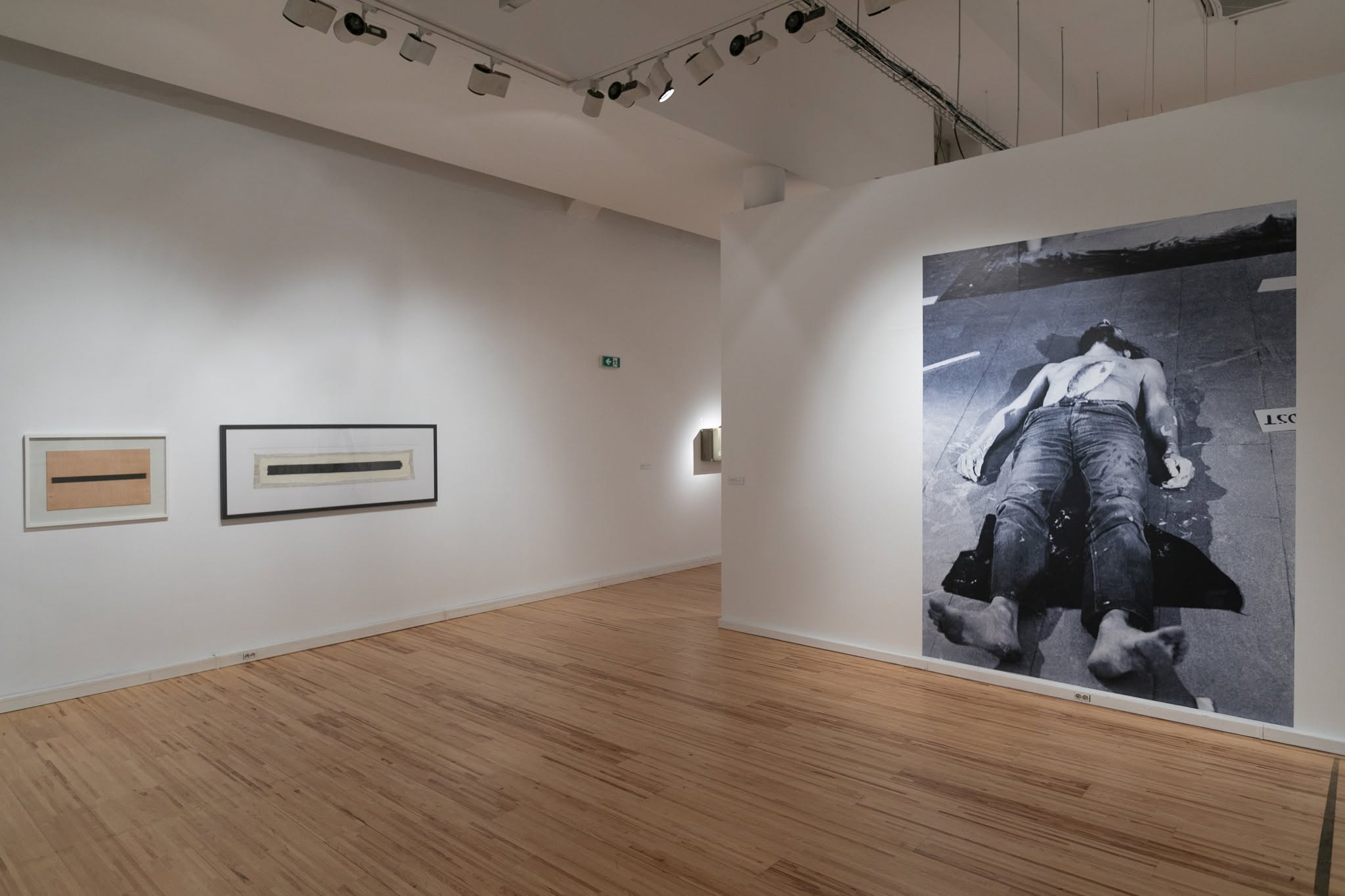
Raša Todosijević: Sutra je ponedeljak [Tomorrow is Monday]. Exhibition view from MSUV – Museum of Contemporary Art Vojvodina, Novi Sad, 2022. Photo: Marko Ercegović, arhiv MSUV.
In Yugoslavia, in the 1960s and 1970s, the counterculture movement followed the general tendencies, which appeared in many cultural milieus simultaneously. Like their peers in the West, namely France, UK, USA and Germany, the new artists were heavily influenced by the idea of personal liberties as well as freedom of choice and expression. While one could easily dismiss that as a side-effect of the cultural expansionism of the West, there were several endemic features that could not be found elsewhere. Nowadays, it may appear that it was more subversive to be a conceptual or protest artist in Yugoslavia than in France or the US, but that may be deceiving as well. The power structures of the state apparatus were limiting and repressing left-leaning artists and activists everywhere in the West, though in Yugoslavia it was much more complex due to the country’s socialist ideology.
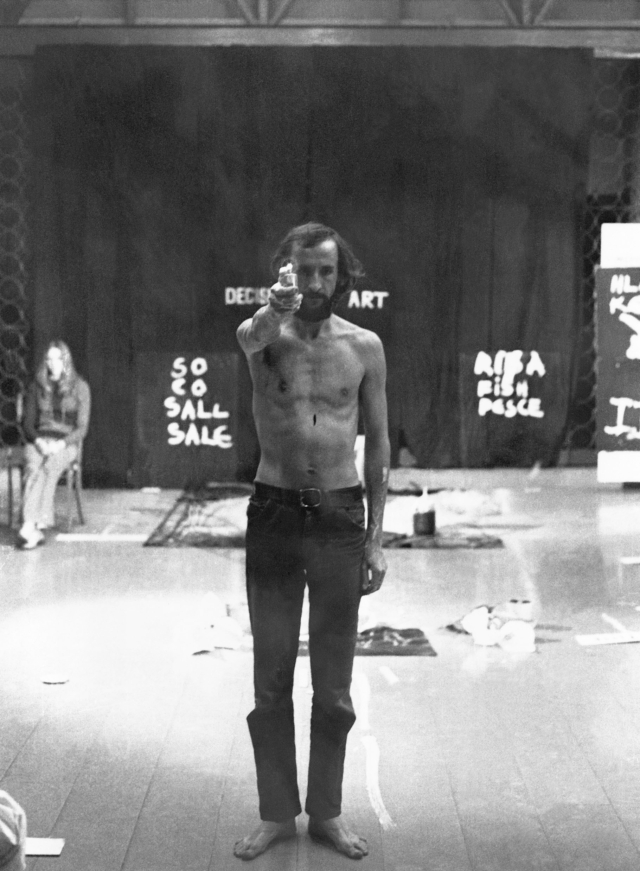
Raša Todosijević: Decision as Art, Sudent Cultural Centre, Beograd, 1973.
When students took to the streets in 1968 and 1969 across Europe, the cities of Ljubljana, Zagreb and Belgrade were also involved in the cultural revolution. Like elsewhere, the Yugoslav student protests endorsed potent ideas of the new left. The young generation demanded a more righteous society and a more fundamental form of socialism in which assets, rights and power would be distributed equally among the population. They turned against the so-called red bourgeoisie, the bureaucratic stratum of party officials, who had become the new elites in a proverbially egalitarian socialist society.
That was the environment in which Raša Todosijević emerged on the art scene in the city of Belgrade. From the very beginning, his artistic practice was consciously and deliberately based on the idea of the anti-aesthetic, at every level, whether in his elementary paintings, spatial installations or performances. However, one can also sense in his diverse works a specific formal and visual approach that goes beyond the idea of pure concept, where the central focus is on the process of artmaking and not on the final result – the work of art as a material and physical object. At the time, many artists believed that process-based artworks could not be sold and traded. Todosijević’s work was not about that. Instead, it addressed and engaged audiences on several different levels through both narrative and visual effects, which were part of the whole experience. His paintings or objects, whether from the 1970s, 1990s or 2010s, have always been distinctly rough and raw; they have the appearance of being worn and dilapidated, resembling unmistakable decay. It seems as if his visual aesthetic is somehow embedded in the distinctive Central European cultural milieu, characterised by cultural and historical complexity, and a gloomy and decadent atmosphere.
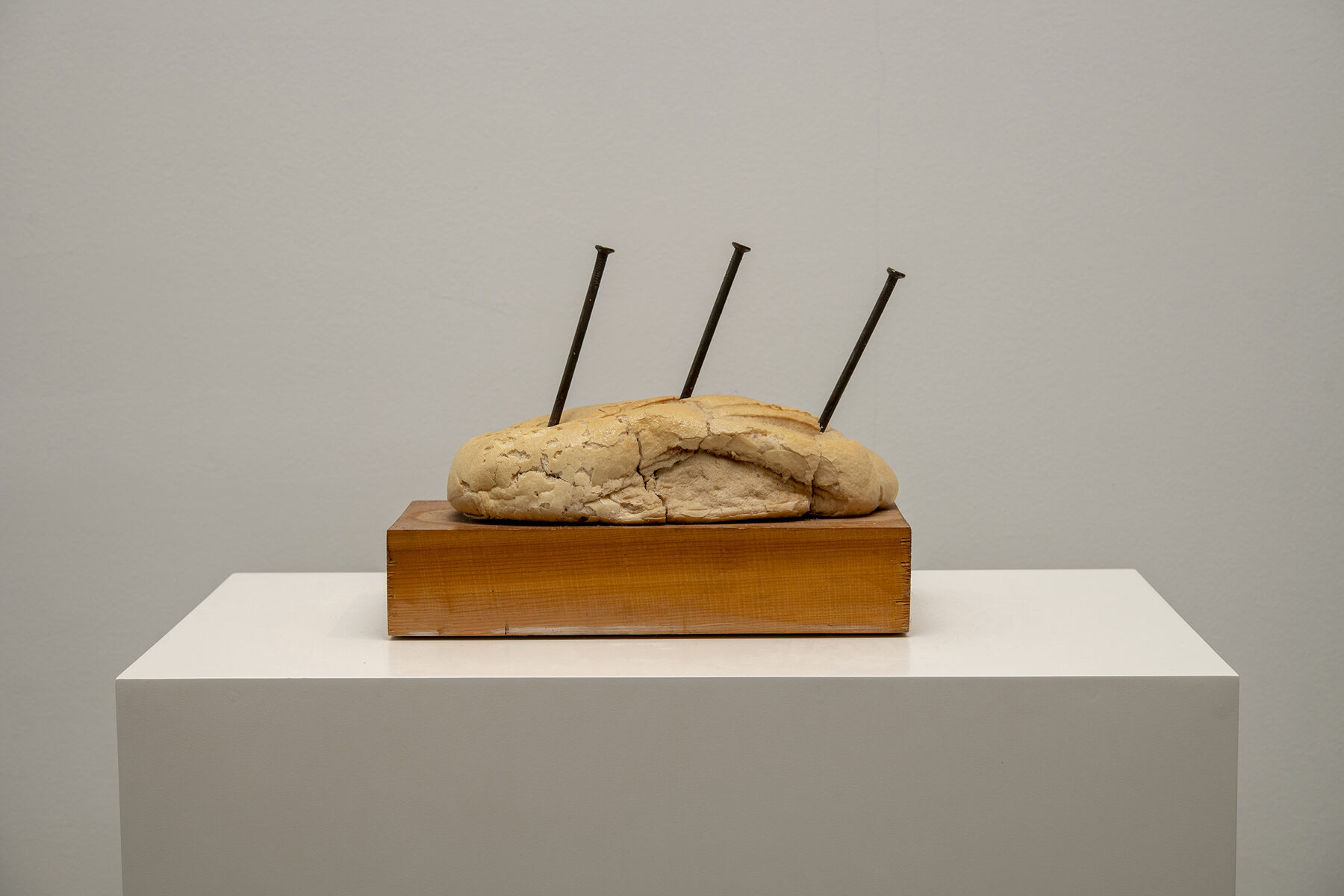
Raša Todosijević: Nailed Bread, 1973. Museum of Contemporary Art, Zagreb. Photo: Jovan Kliska, arhiv MSU.
His early works, however, have to be considered in the context of his time and place. The 1970s in Yugoslavia are now seen, in retrospect, as a prosperous and progressive period when the process of modernisation finally came to bear fruit. Despite the global economic uncertainty, Yugoslavia saw considerable investment, modernisation of lifestyles and experimentation with new socio-economic models, i.e., self-management and liberal socialism. These changes influenced all aspect of people’s everyday experience, from the economy to culture. The mainstream art scene followed the principles of high modernism, of Western provenance, and turned predominantly to abstract and geometric art as a reflection of these general sentiments. But Todosijević did not to share the positive attitude towards the new society and progress; through his artistic practice, he instead focused on revealing and addressing their paradoxes and absurdities. His works from the 1970s were therefore brutally explicit and destructive, touching upon the notions of political dogmas, religion, nationality and tradition, which were highly present despite the official policy of social and gender equality, and economic egalitarianism. They reflected the sobering stance that the new society cannot escape its own deeply rooted traditions in such a short period of time.
His works, such as the performance Water Drinking-Inversions, Imitations and Contrasts (1974) or the installation Nailed Bread (1971), resemble the destructive tendencies of Gustav Metzger or the painful body performances of Vito Acconci – but only superficially, for Todosijević’s work cannot be taken out of the context of his own Zeitgeist. He was undoubtedly influenced by artists from the trendsetting West, but he was also irrevocably related to the local context. That was the period when the shiny facade of popular culture and consumerism seemed to be successfully covering up the pressing issues within society, both in the capitalist West and in socialist Yugoslavia (that went through its own process of creating consumer and corporate society). Even though people believed that material security would bring stability and happiness to their lives, as it turned out, that was not necessarily the case. Despite the rise of living standards and increased accessibility to material goods, people did not break free from social restraints. On the contrary, there seemed to be ever more new rules in an increasingly complex and controlled world.
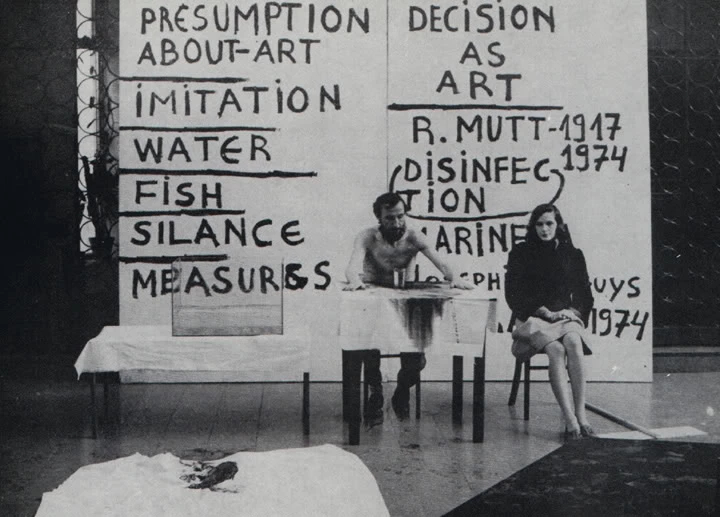
Raša Todosijević (with Marinela Koželj): Drinking of Water – Inversions, Imitations and Contrasts. Student Cultural Centre, Beograd, 1974.
Todosijević, therefore, seemed to be addressing the universal existential concerns of everyday life, which are as topical today as they were in the 1970s or 1990s. Human beings do not change at the rapid speed of technological and scientific progress (of the past two hundred years); it takes generations and centuries to change deeply rooted cultural codes. Therefore, his resigned stance towards society and humankind originated from the belief that history and progress are simply too fast for people to be able to adapt to them. From the perspective of intellectual and emotional abilities, humans are neither more perceptive nor more cognitively capable today than they were 500 or 1000 years ago; humans are still savages, albeit with direct access to sophisticated technologies and a great deal of information.
Those general notions seem to have always been an important point of departure for Todosijević. It also seems that he has never had real faith in the kind of humanity and humanism that was widely promoted and accepted in the decades after World War II. Instead, he foresaw the gloomy shadow of an uncertain future and, unfortunately, he turned out to be right when it came to his immediate surroundings. The federation of Yugoslavia split apart in a series of bloody civil wars powered by the socio-economic downfall imposed by neoliberal global policies, ethnic and religious division, nationalism and political mediocrity. In his works from the 1990s he often referenced manifestations of everyday violence that persisted in modern societies, in Serbia and in the US alike, and of brutal chauvinism, which became part of everyday culture, affecting every stratum of society: women, labourers, artists and ordinary people caught up in the turmoil of collective events. In the new world order, economic and political repression became, and remained, the norm.
In the 1970s, when the utopian dream of an egalitarian and righteous world was already buried under the transformed corporate vision of society, Todosijević made works of art that could be seen as the reminders of this (upcoming) defeat. In the late 1960s in Yugoslavia, younger generations adopted a radical agenda in order to create some sort of open society based on democratic socialism. However, this rebellious spirit was soon crushed by the government through offers of token concessions; many protagonists of protest movements were eventually pacified by being given positions in politics, academia or economics. Furthermore, smaller – but significant – concessions were made to the wider communities of students and youngsters. That is how the SKC (Student Cultural Centre) in Belgrade was established. Like many other similar institutions across the country, it served as a place and a platform for the creation and presentation of new artistic practices and radical ideas.
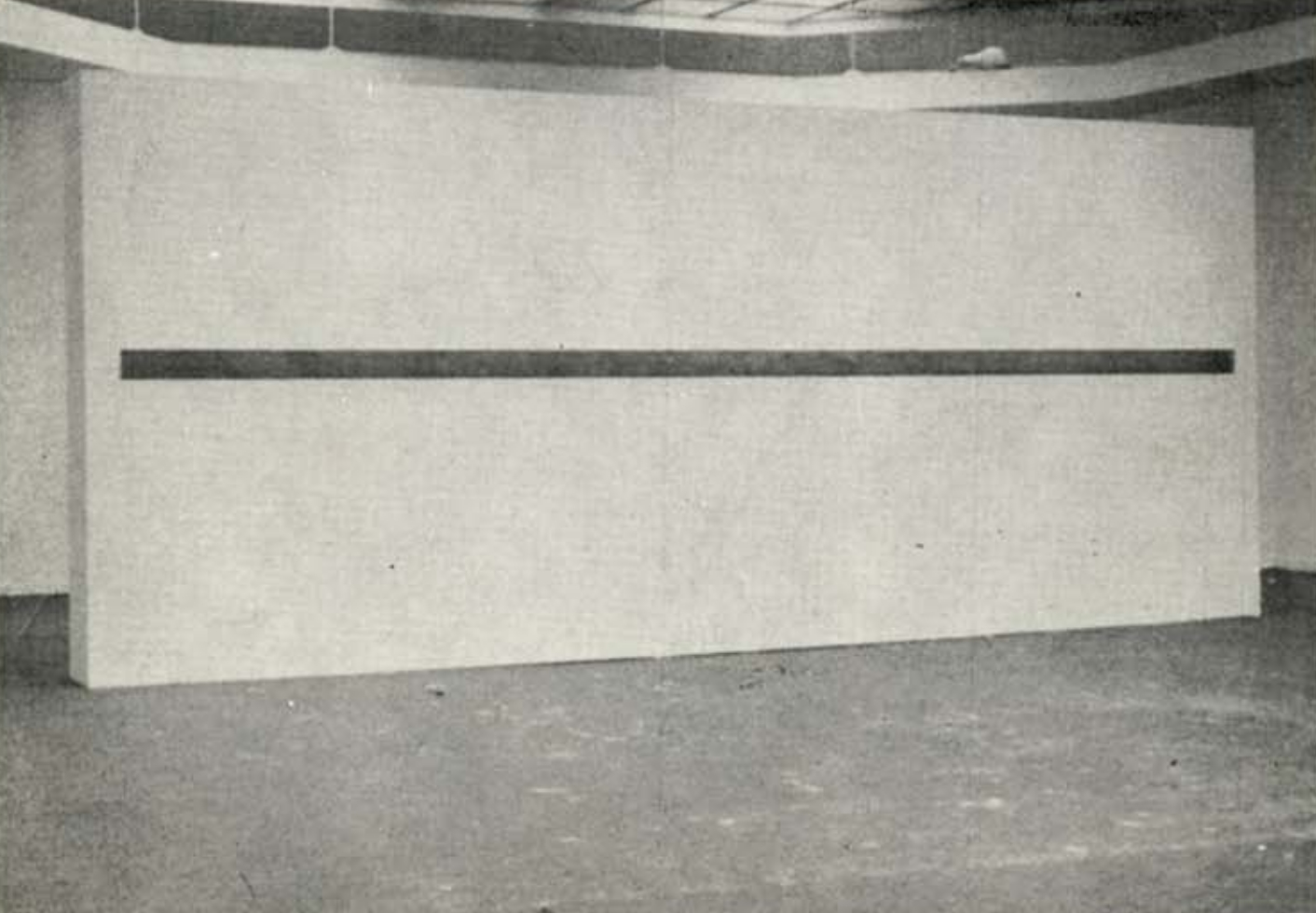
Raša Todosijević: 200.000 Lines, Biennale Paris, 1977.
It was there that Todosijević started collaborating with a group of like-minded peers, such as Biljana Tomić, Ješa Denegri, Marina Abramović, Neša Paripović and Zoran Popović, who, for some years, took control of the programme and turned towards the new artistic tendencies, namely neo-avant-garde or, more precisely, conceptual art. Their references were artistic practices and institutional forms that were imported from the Western centres of power, however, the adaptation of neo-avant-garde practices into a socialist cultural milieu was not so straightforward. It is true that such initiatives, which were tolerated in Yugoslavia, were often welcomed and supported by Western artists and institutions, but there were several authentic features that relied on the specific cultural context. The early counterculture artists, such as the OHO Group from Ljubljana, who were active between 1966 and 1971, paved the way for the next generation of neo-avant-garde artists. However, the way Todosijević approached conceptual art was in many ways different from his Yugoslav predecessors as well as from his contemporaries in the West.
In his first public appearances Todosijević followed the tendencies but turned his interest inwards, questioning the absurdities of the art system dominated by state monopoles or by the art market. For him, the boundary between everyday culture and high art was very relative and, therefore, his works were deliberately non-spectacular, just like his life. By embedding his entire life into his artistic practice, he critically addressed the fake glamour that was ever more present in the aspirations of ordinary people. This was likely influenced by the situationist movement and its critical stance towards the new society of the spectacle (Guy Debord’s Society of the Spectacle was published in 1967).
Another sign of Todosijević’s dedication – his involvement in art with his entire life – was also the fact that he would often include his wife, Marinela Koželj, in his early performances and happenings: she was a performer and a protagonist in his spatial installations and ambience pieces, though she was mostly not credited as co-author. Todosijević exploration of the absurdities and inconsistencies of the art system was a constant in his body of work but, due to the hermetic nature of art and his awareness that there is much more to life, the subjects of his works were later expanded and upgraded. He started addressing several themes that concern the wider public sphere.
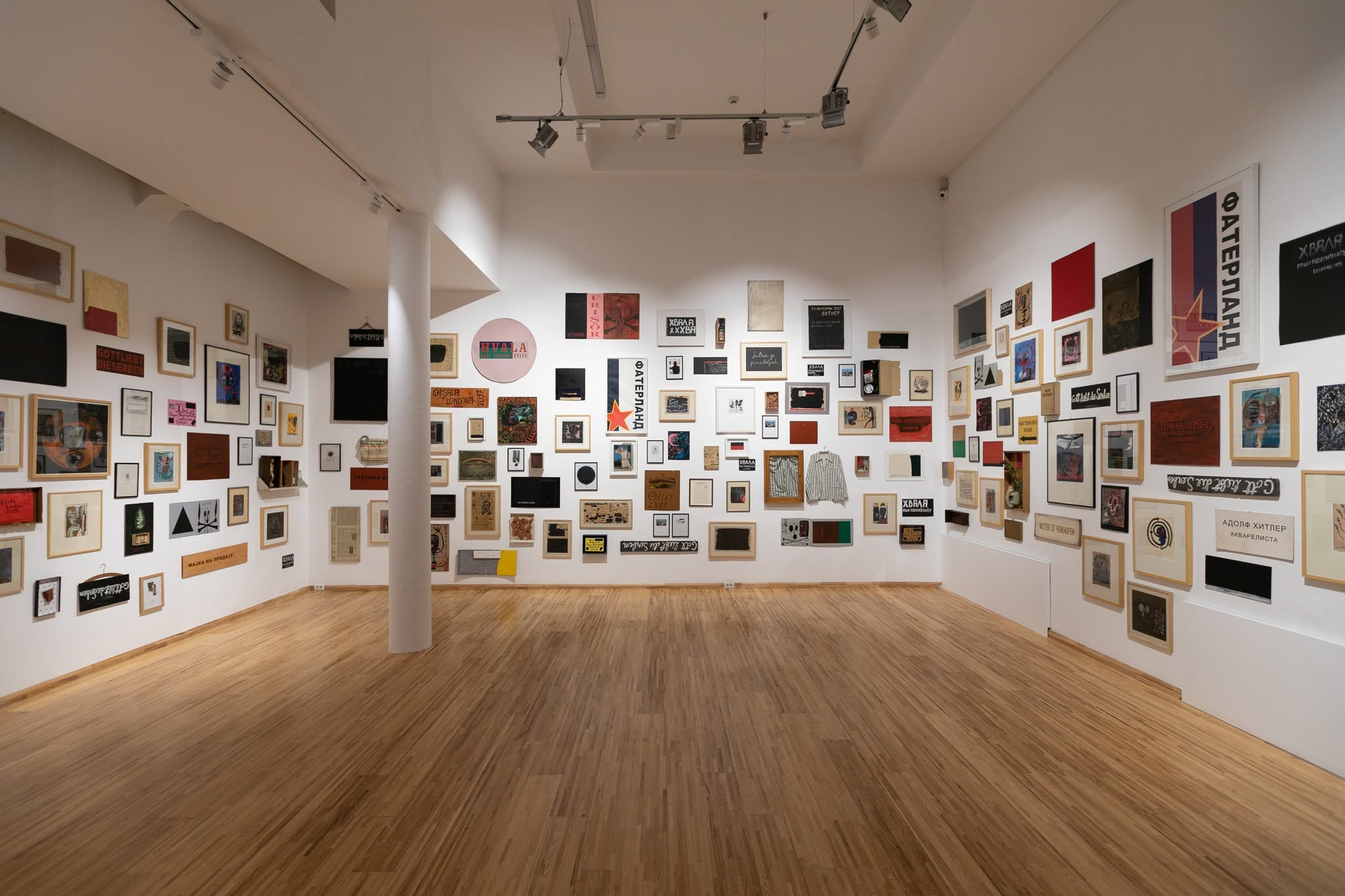
Raša Todosijević: Sutra je ponedeljak [Tomorrow is Monday]. Exhibition view from MSUV – Museum of Contemporary Art Vojvodina, Novi Sad, 2022. Photo: Marko Ercegović, arhiv MSUV.
While pointing out his position as an artist in the piece The Decision as Art (1973), which resembles the idea behind John Baldessari’s video performance I am Making Art (1971), he also questioned the role of the artist in society. Throughout history, successful artists commonly served state ideologies or business interests, otherwise they were overlooked and mostly remained invisible and insignificant. It seems that Todosijević accepted this position in an utterly resigned way. His constant emphasizing of the fact that he was an artist was not so much a statement about the importance of himself or his work but a self-ironical display his own marginal and futile position. Todosijević has always been a protest artist who critically addressed inconsistencies in a society in a very direct way. Because of that, he could never have become a truly mainstream artist despite his sporadic institutional acclaim and success.
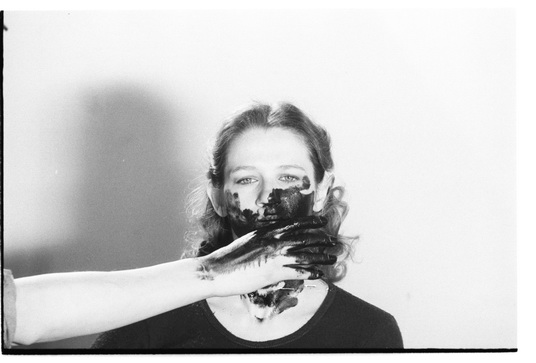
Raša Todosijević: Was ist Kunst, Marinela Koželj, 1978.
In this respect, he was influenced by the (marginal and outcast) attitude of avant-garde movements from the first half of the 20th century, namely by Marcel Duchamp who managed to completely re-evaluate the status an artwork through simple provocative gestures that held up a mirror to relentless cultural norms. At the same time, he was also aware of the Fluxus movement and its nihilistic stance towards modern art. The series of performances Was ist Kunst? (1977-1978), in which he violently and repeatedly shouted this seemingly simple question at a passive female performer, moving right up to her and shouting in her face, in order to demonstrate pressure towards an individual, were symptomatic of his early work. But with their dark appearance, violent visual aesthetic and atmosphere of fear, these pieces addressed something even more grim and gloomy: the impossibility of radical change.
Furthermore, throughout the 1970s and 1980s he created several works that expanded on that subject matter. In a series of elementary spatial drawings, Not a Day Without a Line (1976), and monochrome paintings entitled Elementary Paintings (1974), he again followed the radical example of the early avant-garde when artists such as Kazimir Malevich aimed to bring painting to a completely elemental level by constructing basic artificial shapes, where a simple line or multiple lines comprise the surface of an image. On the other hand, in the series of spatial installations entitled Schlafflage (1978-1984) he turned to readymade principles of re-using everyday materials, appropriating walking canes and painting wooden boards in order to make signs that resembled corporate or political logotypes. A walking cane is a symbol of aristocratic gentlemen while a wooden board is a quintessential piece of equipment in modern homes. Again, he reduced seemingly complex signs to their basic elements.
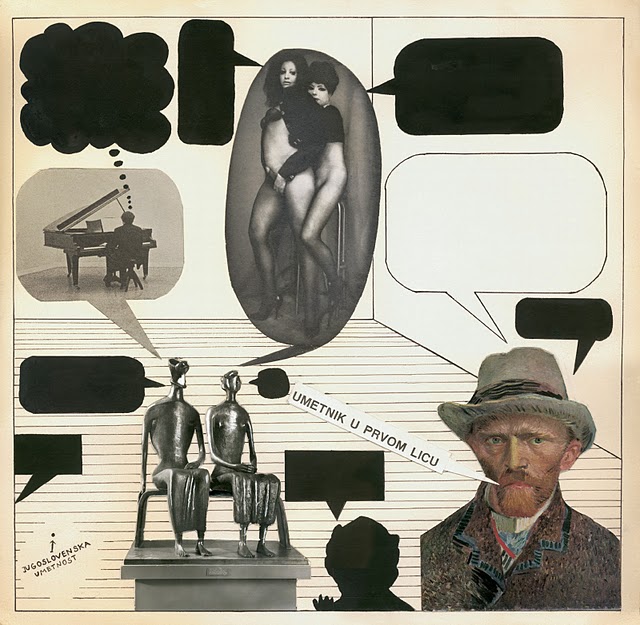
Raša Todosijević, Untitled, 1975.
His performances and rudimentary early paintings were part of his ongoing analysis of various social relations, such as the status of women in modern society or the position of ordinary man in the turmoil of history. Moreover, he addressed the dark sides of the relative prosperity of the 1960s and 1970s in Yugoslavia by pointing out hidden political repression, cultural dominance, privilege, the narcissism of politics and the non-spectacular reality of everyday life. These actions, however, were not a rebellion against the socialist dogmatism of Yugoslavia but could be universally applied to any other modern society or political regime in the world since the principles of rule don’t differ significantly.
The early 1970s in Yugoslavia were also marked by political struggles as strong attempts to liberalise and decentralise the state apparatus were made by the younger generations of party members. Even though the forces of decentralisation eventually prevailed, most of the liberal groupings were removed from their positions and the older generation, or their conformist successors, maintained the levers of power. Moreover, these reforms marked the beginning of the national divide in Yugoslavia that eventually erupted in the late 1980s and early 1990s.
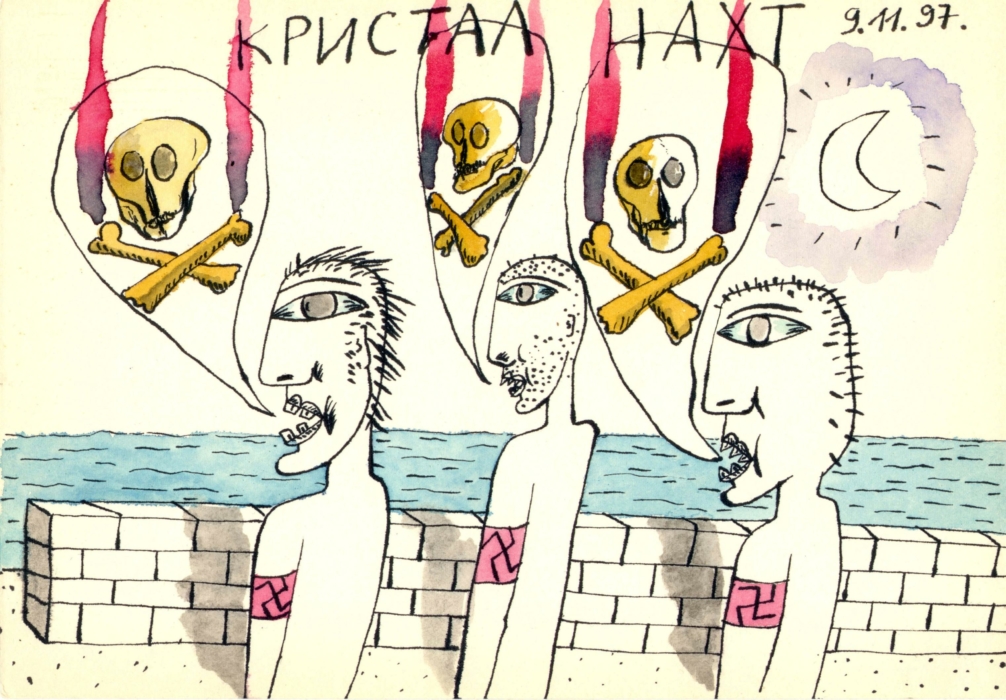
Raša Todosijević: Gott liebt die Serben (Kristal Nacht), 1997.
In this period of high political and national tensions Todosijević often reflected the new-found nationalism that became a prevailing ideology, operating within the frames of the socialist government, in Serbia and in other Yugoslav federal republics alike, which eventually led to war. He then started to use the symbolism of historical autocratic regimes to comment on the dire situation. In his series Gott liebt die Serben (1989-) he took diverse readymade elements and composed a table, set in shape of a swastika, packed with leftovers of a messy party where traditional Serbian dishes were served. The table set was initially used as a performance in which guests feasted surrounded by the kitsch aesthetic of the era. The series of spatial installations, which have often been reinstalled by using slightly different elements, was probably his most direct and provocative account of mass national sentiment in Serbia, built on aggressive political rhetoric, ignorance and revision of history.
Throughout history, especially with the advent of nation states in the 19th century, mythologies of chosen and superior nations have been constantly created and perpetuated. Every nation state is the most beautiful and special place for its people, every nation has its holy mountain or sacred river as well as its own historic event that constitutes it. Furthermore, most nation states were, at some point in history, bigger than they are presently and most, therefore, maintain a painful collective memory of the historical injustice that annihilated their former greatness. The work Gott liebt die Serben thus refers to the idea of Greater Serbia that appeared and persisted in the public discourse in the late 1980s and early 1990s. However, it also addressed universal formulas of imperialism and nationalism since, throughout the 20th century, almost all European states had gone through similar processes that inevitably led to a state of crisis followed by a conflict.
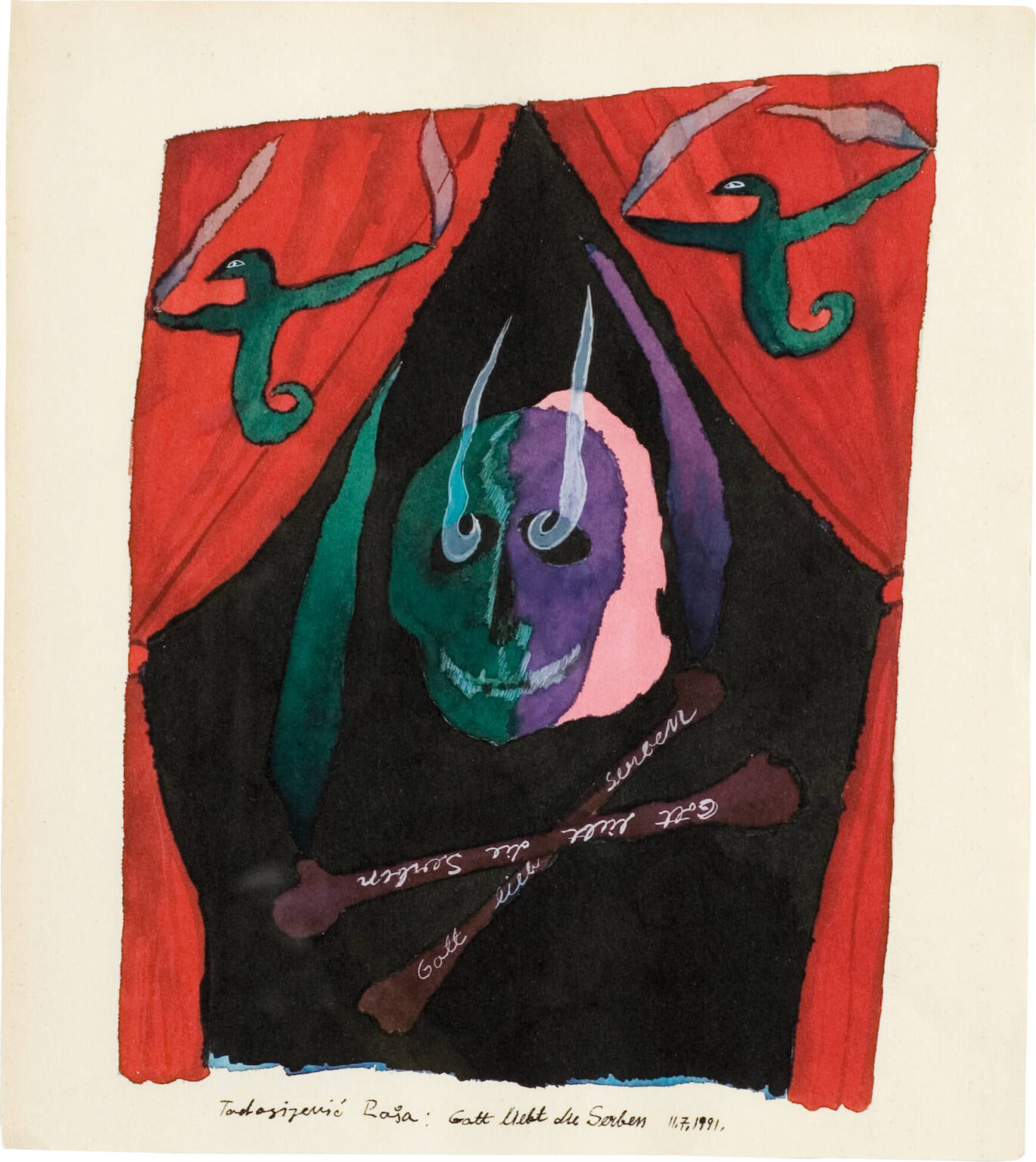
Raša Todosijević: Gott liebt die Serben, 1991.
God loves the Serbs, one could cynically remark, as God loved the Germans, the Americans and the Russians during turbulent power struggles throughout modern history. In this instance, Todosijević seems to be using similar tactics as Dada artists used amidst the turmoil of World War I when, painfully aware of their powerlessness, they resorted to resignation, cynicism and the absurd. The world has gone mad, they claimed, and the only way to oppose the situation is to escape into complete absurdity even greater than the war, nationalism and chauvinism could produce. During the period of civil war and economic decay in 1990s Yugoslavia, Todosijević similarly felt helpless in the collective madness of militarism, nationalism and new-found capitalism. His works from that period reflected the total decay of moral values and basic infrastructure in Serbia. The country was isolated throughout the 1990s and its people often had the sense that they were living off the remnants of the past. From that perspective, the period of socialism may have appeared as the good old times and nostalgia became a logical and legitimate sentiment.
Under huge international pressure and with the threat of war looming in Serbia itself, the regime of the 1990s finally crumbled. But that was not the end of history (where everybody lived happily ever after). Regimes change, but the people who support them and run them do not. In his piece Fluxus Piano (2002) Todosijević reflects on the period when Serbia was imminently integrated into the currents of the new world order, namely the grip of liberal democracy and relentless free trade. In this installation he again took some archetypical objects from the repertoire of the upper echelons of society, a walking cane and a piano, and pitted them against one another in a destructive relation in which canes are violently penetrating the structure of piano. The bourgeois structures of society are meant to be ruling and conformity is one of their greatest assets.
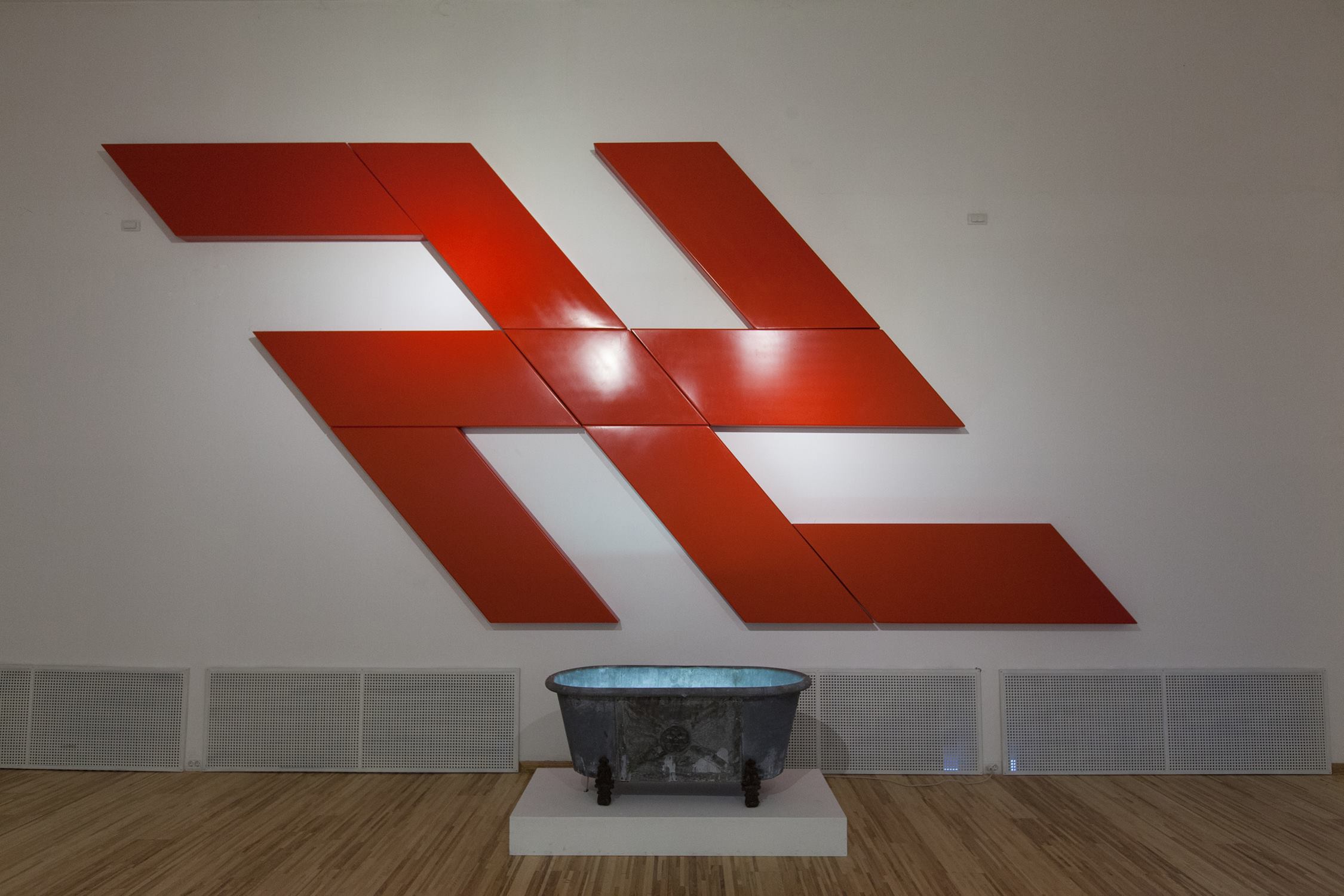
Raša Todosijević: Gott liebt die Serben at the exhibition Sutra je ponedeljak [Tomorrow is Monday] at MSUV – Museum of Contemporary Art Vojvodina, Novi Sad, 2022. Photo: Marko Ercegović, arhiv MSUV.
Like in most countries around the globe, where the neoliberal agenda of maximising private assets at the expense of public interests prevailed, the new world order of economic totalitarianism did not turn out to be an improvement in Serbia either. Therefore, to this day, Todosijević still sees society in a gloomy light. Today, the world is once again ideologically polarised and overwhelmingly gripped by consumerism, populism and ongoing spectacle – all of which seems to all but guarantee the preservation of the status quo. As Todosijević sees it, the alleged end of history that Francis Fukuyama announced in 1992, while praising the seemingly undisputed victory of liberal democracy over socialism, seems as frightening as any of the historical socio-political experiments and imperatives carried out in the past.
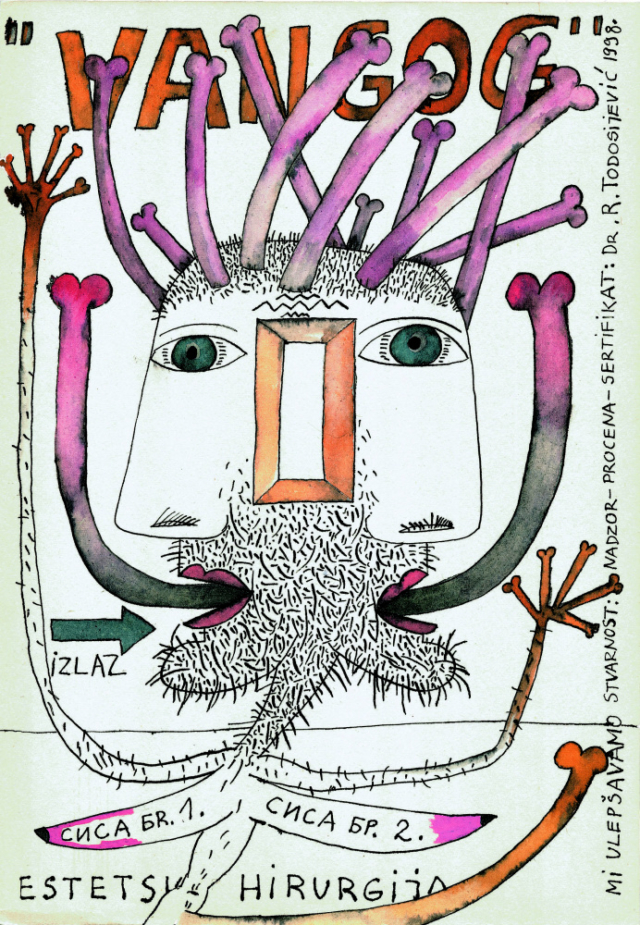
Raša Todosijević: Clinic van Gogh, 1998.
His ongoing series Diary (1971-2009) showcased how his concepts, world views and actions have not changed significantly in the past fifty years even though everything seems to be changing at a rapid pace. In a way, the collages, drawings, readymades and paintings from this series testify to his overall impression of human nature and power relations in the modern world. These are vignettes of turbulent times when visual culture often took an active part in creating political discourse. With a brutality and directness that resembles so-called outsider art, Todosijević willingly and consciously opposed academic formal conventions and instead created free-flowing pieces that combine texts and images, in a way that resembles commercial advertising and political propaganda.
Thus, while Raša Todosijević’s artistic position has been constantly shifting, his world views have not. He remains a fervent antimilitarist, liberal and egalitarian who, due to the learned predictability of human behaviour, does not naively believe in drastic and rapid change. These world views and beliefs contributed to the notion of diversity of his artistic oeuvre; in line with the fast-paced and ever-changing world, he always used media and techniques that served his cause and purpose rather than following tendencies and trends of modern and contemporary art in any direct sense. Therefore, in addition to his performances and installations, he also created watercolours, collages, drawings and paintings that testify to the complexity and ambiguity of the world around him. Even though his entire body of work is difficult to grasp and to systematise (according to the principles of art history), it can offer a glimpse into the cultural and political processes of the past five decades. History is often read and understood through works of art that offer intimate and individual points of view instead of commonly accepted narratives.
© Miha Colner, June 2022
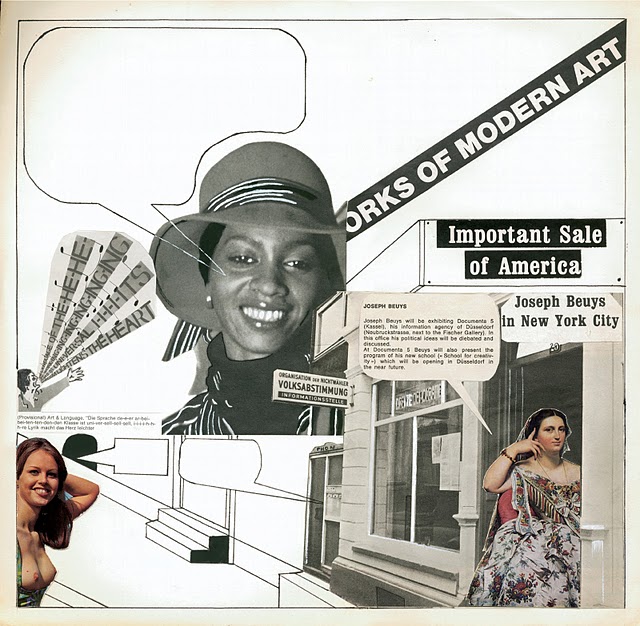
Raša Todosijević: Untitled, 1975.